
Oct 12, 2026
5 Key Takeaways From electronica India 2026
5 Key Takeaways From electronica India 2026 Thousands of visitors. Hundreds of exhibitors. One li...
Smith’s team of experts brings a diverse wealth of knowledge and experience that helps us offer the most relevant and actionable insights into the global electronic-component marketplace. Follow Smith’s Market Blog to stay up to date on the latest information.
At the beginning of May, Micro Commercial Components (MCC) notified select customers that it had paused shipments and transactions to European customers. The company indicated that the temporary measure is intended to facilitate internal and external audits, ensuring alignment with European Union regulations and avoiding unintended consequences or unnecessary harm to customers and partners.
While MCC emphasized that the action is temporary and expressed its intention to resume shipments as soon as possible, the company has not provided a clear timeline for when shipments to Europe will restart.
MCC supplies discretes, MOSFETs, and other power devices, categories that have already been experiencing rising demand and tightening availability over the past six months due to Nexperia-related supply disruptions and incremental demand from AI infrastructure. This supply-demand imbalance has increased reliance on open-market sourcing, amplifying volatility.
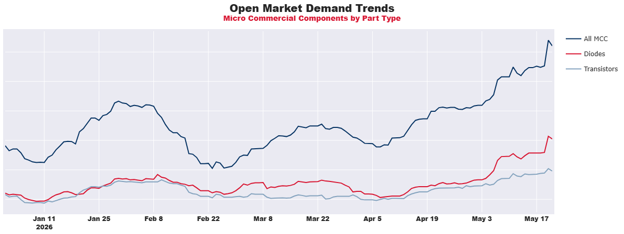
Figure 1: Open Market Demand Trends – Micro Commercial Components by Part Type
Although MCC continues to ship and accept orders in other regions—and parts can be indirectly imported into Europe via those channels—the loss of direct shipments into the EU represents a meaningful disruption to available inventory. Initially, a one- to two-week delay could have been absorbed by companies maintaining six to eight weeks of buffer stock. However, the disruption has now extended beyond three weeks, eroding those buffers.
At the same time, lead times from alternative suppliers have lengthened due to the same underlying pressures, namely Nexperia constraints and elevated end demand. As a result, the lack of MCC shipments is becoming a growing concern within the industrial sector. In many cases, replacement products are now quoted at twelve- to eighteen-week lead times, well outside typical production planning windows and increasingly misaligned with near-term demand requirements.
We will continue to monitor the situation and share the latest updates as they become available.
5 Key Takeaways From electronica India 2026
5 Key Takeaways From electronica India 2026 Thousands of visitors. Hundreds of exhibitors. One li...
Smith Will Exhibit at electronica Munich 2026, Hall B5, Stand 341
The company will showcase its comprehensive suite of supply chain solutions and diverse service o...
Smith Will Exhibit at the 2026 New York Solar + Storage Summit, Booth 20
The company will highlight how it supports the solar industry with diverse supply chain solutions...
您可通过以下三种方式,轻松关注Smith微信公众号: